
Theodosius I the Great
(11 January 347 - 17 January 395 CE)
Theodosius I the Great was the last emperor to rule in both parts of the Roman Empire. During his reign, Christianity became the state religion.
If you have found a spelling error, please, notify us by selecting that text and pressing Ctrl+Enter.
The history of ancient Rome saw the emergence of many outstanding figures who left a lasting mark on the history of the world. Some of them are remembered by posterity as cruel tyrants, such as Caligula, Nero, and Caracalla. Others became renowned as reformers and builders of the Roman state’s power, including Augustus, Claudius, Marcus Aurelius, Diocletian, and Constantine the Great. It is also impossible to ignore the Roman generals, who often saved the state from collapse.
History also includes outstanding figures of Roman culture – writers, philosophers, and artists whose work had a profound impact on the development of European civilization. In this section, I present profiles of individuals who achieved great deeds or whose actions left a lasting mark on the pages of history.
(11 January 347 - 17 January 395 CE)
Theodosius I the Great was the last emperor to rule in both parts of the Roman Empire. During his reign, Christianity became the state religion.
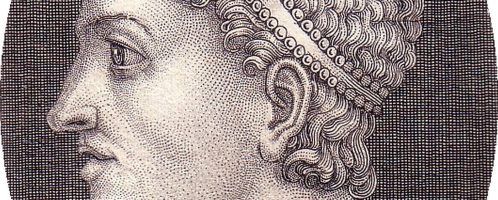
(c. 350 - 6 September 394 CE)
Emperor Flavius Eugenius ruled in the years 392–394 CE in the western part of the Roman Empire. Theodosius I ruled in the east.

(c. 350-370 - 415 CE)
Hypatia of Alexandria was a brilliant scientist who was brutally killed by a Christian mob. Suspected of participation in the murder of St. Cyril.

(c. 360 - 22 August 408 CE)
Flavius Stilicho, along with Flavius Aetius, was the last great commander of ancient Rome.
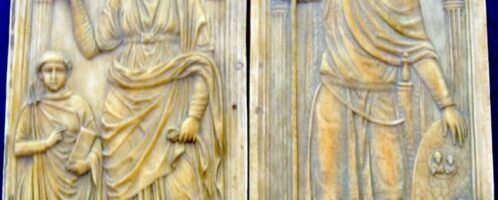
(9 September 384 - 15 August 423 CE)
Flavius Honorius was a Western Roman emperor who reigned in the years 395-423 CE. After Theodosius' death, he and his brother Arcadius took power in the Empire.

(388/392 - 450 CE)
Aelia Galla Placidia (born around 388/392 - died 450) - daughter of the Roman Emperor Theodosius I the Great and his second wife, Flavia Galla.

(c. 390 - 21 or 22 September 454 CE)
Flavius Aetius was, together with i.e. Flavius Stilicho, the last great commander of ancient Rome. Called "the last of the Romans", he successfully defended the Western Roman Empire against barbarians and decay.
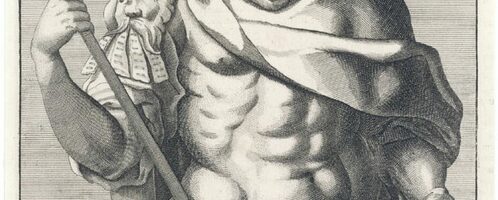
(c. 420 - 15 August 465 CE)
Libius Severus was a Roman emperor who was in fact under the influence of a barbarian leader, Ricimer.


