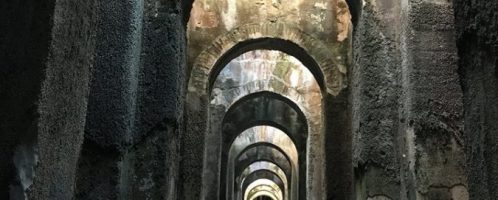
Piscina Mirabilis – Roman water reservoir
Piscina Mirabilis is one of the largest drinking water tanks built by ancient Romans. It is located on the west end of the Gulf of Naples, Italy.
If you have found a spelling error, please, notify us by selecting that text and pressing Ctrl+Enter.
The world of the ancient Romans was rich in extraordinary, and sometimes even surprising, facts. We draw our knowledge of Roman daily life, customs, and mentality primarily from works left by ancient writers and historians. It is thanks to them that we discover information that is astonishing today – sometimes even hard to believe. Below are some interesting facts that reveal a lesser-known and less obvious side of the Roman world.
I encourage you to submit your own suggestions and to report any corrections or inaccuracies.
Piscina Mirabilis is one of the largest drinking water tanks built by ancient Romans. It is located on the west end of the Gulf of Naples, Italy.
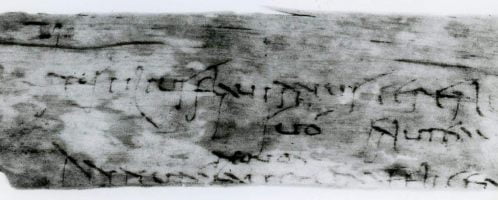
This is a fragment in Latin of a letter from Hostilius Flavianus to Flavius Cerialis, the IX Cohort commanding officer of Batavians stationed at a legionaries’ camp by Hadrian’s wall in about 100-105 CE. He wishes him “a fortunate and happy New Year”.
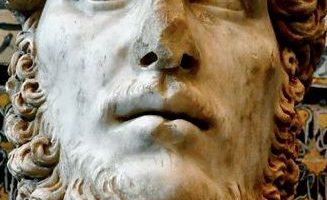
Roman bust Emperor Lucius Verus. The object was found in Thugga (Tunisia) and dates back to the 2nd century CE.
Remains of a Roman public baths in the Serbian town of Čačak. The bathhouse had several rooms, swimming pools with hot and cold water and a hypocaustum – a floor and wall heating system.

The persecution of Christians under Emperor Decius (249-251 CE), unlike many previous ones, covered the entire empire. Initially, the action was carried out very consistently, and hundreds, if not thousands, were killed. One of the most significant was Pope Fabian, Bishop of Rome from 236-250 CE.

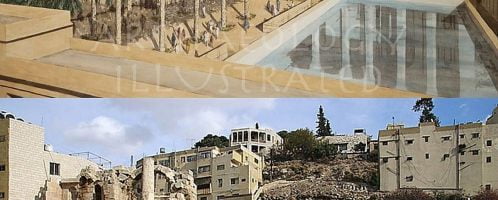
Reconstruction of the nymphaeum in Amman (Jordan), which was built in the 2nd century CE. It was a complex of fountains and pools for the worship of Nymphs. Researchers believe that the nymphaeum had a 600 square meter swimming pool, three meters deep. The building was a characteristic element of ancient cities and was often located in a representative place.
Roman fresco of a young woman from Serbia that dates back to the 4th century CE. The object comes from a pagan grave that was discovered in eastern Serbia – the city of Kostolac (ancient Viminacium).