
Decency according to Valerius Maximus
In the work Factorum et dictorum memorabilium libri novem by Valerius Maximus, we can see the characters and behaviours that the author distinguished in the context of decency and dignified life.
If you have found a spelling error, please, notify us by selecting that text and pressing Ctrl+Enter.
People are curiosities dedicated to figures from the world of ancient Rome and antiquity. This category includes lesser-known facts, anecdotes, and interesting information about emperors, generals, politicians, thinkers, and other heroes of the Roman Empire, revealing a lesser-known side to them.
In the work Factorum et dictorum memorabilium libri novem by Valerius Maximus, we can see the characters and behaviours that the author distinguished in the context of decency and dignified life.
Cassius Dio has left a message that King Abgarus, who ruled in the small country of Osroene on the Euphrates, tried at all costs to remain neutral during the invasion of Trajan’s Roman troops on the Parthia. In order not to offend any of the parties and in the future not to worry about the fate of the kingdom, he decided to use his secret “weapon”.

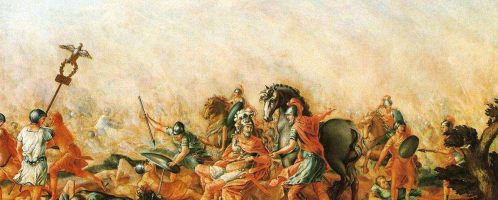
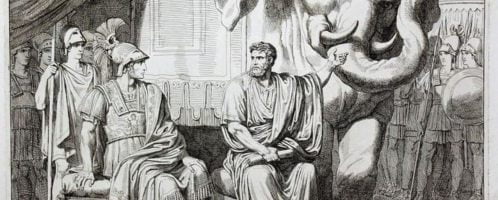
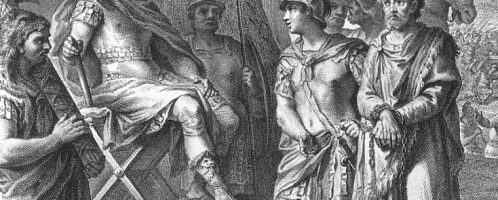
Gaius Fabricius, in Roman transmissions, was an example of an incorruptible politician and an extremely honourable and brave man. This is evidenced by the history of the war with Pyrrhus (282-272 BCE).
The throne of Armenia, a country at the confluence of Roman and Parthian influences, was informally consulted and established between the two then powers over the years. When in 110 CE king Osroes I of the Parthians appointed his nephew Axidares, son of former king Pacorus II, to the throne of Armenia, there was a breach of an unwritten rule, and Rome was not asked to accept the new candidacy.

It is commonly believed that the reign of Nerva, Trajan, Hadrian, Antoninus Pius and Marcus Aurelius, was a time of stabilization and peaceful transfer of power in the Roman Empire, through adoption and the choice of a sane successor. Hadrian, who took over power after the great Trajan, was not particularly favoured by him, and the adoption document could have been forged.
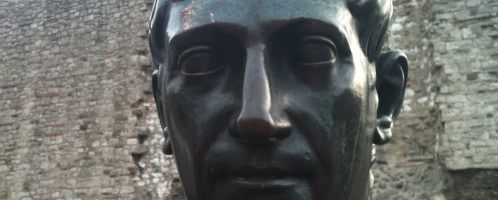
One of the greatest Roman emperors, Trajan, owed his military and administrative success not only to his skills but also to the people, who advised him. One of the important figures in his life was certainly Lucius Licinius Sura, comrade-in-arms, faithful friend, and trusted member of consilium – the emperor’s advisory council.
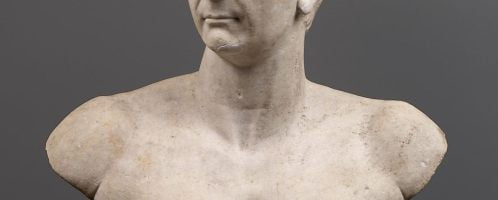
In 217 BCE, after a series of legion defeats in the Second Punic War, Fabius Maximus was entrusted with the Roman dictator. He decided to avoid an open clash with Hannibal’s army, waging a war of exhaustion with the Carthaginians.

Jugurtha, grandson of Masynissa (an ally of Rome from the Second Punic War ) was king of Numidia from 118 BCE His ambition allowed him to defeat two rivals for the throne of the state, divided by Micipsa. Seeking the unification of the state, however, Jugurtha fell into a conflict with Rome, which led to the so-called Jugurthian War, which was fought in 111-105 BCE.
Aemilia Tertia, wife of Publius Cornelius Scipio Africanus and mother of Cornelia – who in turn was the mother of brothers Gracchi (great reformers) – was a woman extremely tolerant and moderate in behaviour, and above all behaved perfectly in the Roman approach.

Cato the Elder fought against all Greek influence as a supporter of the traditional virtues of Roman and republican rule. He was a supporter of strict and old Roman traditions, the origin of which dates back to the Samnites.
