
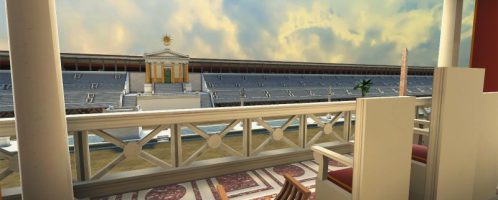
We can go on virtual journey around Circus Maximus
Thanks to the latest Circo Maximo Experience project, we can move to Circus Maximus in Roman times. All this thanks to virtual reality.
If you have found a spelling error, please, notify us by selecting that text and pressing Ctrl+Enter.
Thanks to the latest Circo Maximo Experience project, we can move to Circus Maximus in Roman times. All this thanks to virtual reality.
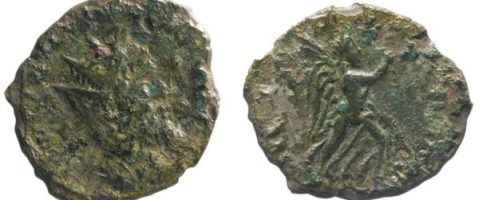
During the construction works for the A14 from Cambridge to Huntingdon an interesting discovery was made. The Roman coin of the usurper Ulpius Cornelius Laelianus was extracted from the earth.
In the autumn of last year, scientists made a very interesting discovery – in the ruins of the Golden House of Nero in Rome, the remains of an unknown chamber were found.

During the recently conducted excavations in Vindolanda, next to the remains of the Hadrian’s wall (northern England) a cracked stone board for playing ludus latrunculorum was discovered.
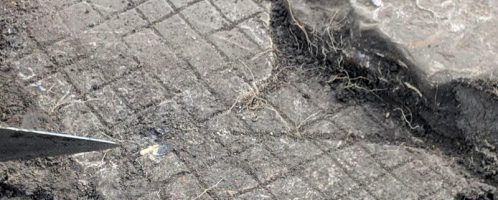
Excavations carried out in the famous Roman Baths (England) have rediscovered the forgotten pool.
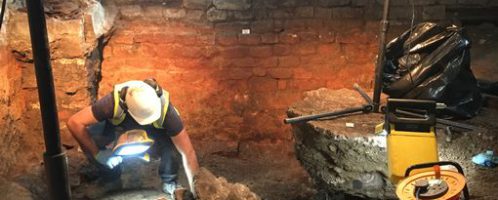
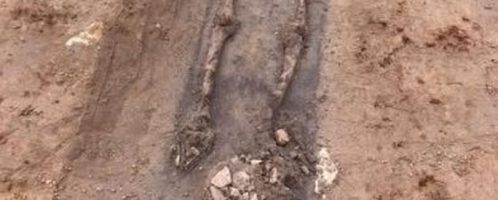
In Lincoln (northern England) archaeologists found 22 skeletons from Roman times. Two of them do not have heads.
Nero’s Palace – Domus Transitoria – was brought back to life. Specialists have recreated it by computer, and those who are willing can admire the work through a virtual reality headset.

In 1964, in the remnants of the Roman villa in Chichester (south of England), a fragment of the 4 cm long tibia bone was found. In 2017, after testing, it turned out that it belonged to a rabbit.

Antiquipop is an association that was founded in Lyon in 2015 to promote an increasingly elitist classical culture and study its presence in contemporary mass culture.

The Musee du Louvre is one of those European museums that can boast of the finest collections of ancient art. This year, the museum celebrates 30 years since the creation of the famous glass pyramid in its courtyard.
