If you have found a spelling error, please, notify us by selecting that text and pressing Ctrl+Enter.

Articles

Roman state existed for nearly thirteen centuries, repeatedly exerting a profound influence on the course of history. I present the history of ancient Rome in the individual articles below, which not always refer solely to the Eternal City itself but encompass the wider world of the Roman Empire.

I encourage you to submit your own articles and to report any corrections or factual inaccuracies.

Profanum and his adventures with Roman Empire

History lovers have a certain lightness in absorbing dates, places and associating historical figures with specific events. And what about people who like to experience the “atmosphere” of the past, but the facts are not particularly important to them?

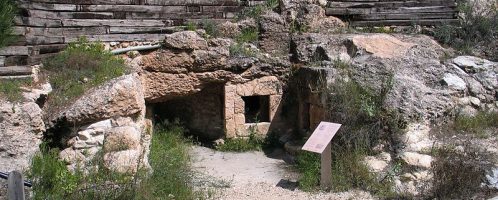
Colosseum

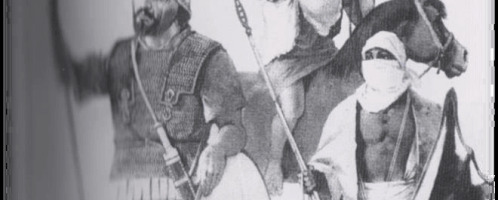
IX Legio Hispana, what happened to it? Historical outline and theories of disappearance

History hides unfathomable layers of secrets and puzzles, the solution of which is sometimes at your fingertips, and other times it is lost in the abyss of oblivion and will never be found again. This is one of the things that attracts me to it – searching, discovering, wandering among possibilities. The knowledge of the ultimate truth is not always the most important thing, sometimes the enigmatic nature stimulates the imagination and allows theories to be made, developing intelligence and motivating for research. This is also the case here – IX Legio Hispana.

Legio VIIII Hispana vexillum

Destruction of Aquileia (452 ​​CE)

Aquileia was founded by the Romans as a colony in 181 BCE, during battles with the Illyrian tribes. The city was located on the Natisa River, south of the Julian Alps, several kilometres north of the lagoons. It had an important military significance at the very beginning of its existence – it was a fortress protecting the Pre-Alpine Gaul from the east, and, if necessary, enabling the support of the Venetians – solid Roman allies. The colony was granted the Latin law by the triumvirs: Publius Cornelius Scipio Nazyka, Caius Flaminius and Lucius Manilius Acidinus. Soon after its founding, it probably had approx. 20 thousand. inhabitants, most of whom were Latins.

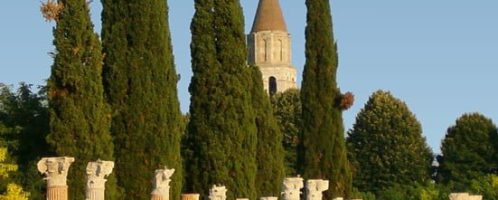
Ancient Aquileia

Giuseppe Fiorelli

Giuseppe Fiorelli was an Italian archaeologist who became famous for his discoveries in Pompeii, and also developed a method of making plaster casts of bodies, thanks to which we can see the shape of preserved, often in convulsions, the bodies of Pompeians who died during the eruption of Vesuvius in 79 CE.

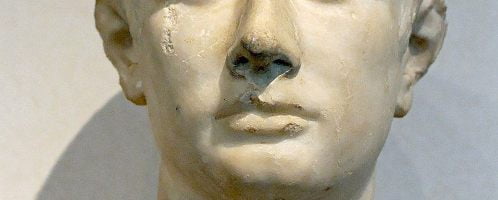
Giuseppe Fiorelli

Spelling error report

The following text will be sent to our editors: