If you have found a spelling error, please, notify us by selecting that text and pressing Ctrl+Enter.

Articles (Society)

Ancient Roman society was a complex structure based on legal status, ancestry, wealth, and social roles. In this category, you’ll find articles on Roman daily life, social divisions, relationships between citizens, slaves, and freedmen, as well as the role of family, women, and children in the Roman Empire. These articles reveal how Roman society functioned on a daily basis and how it changed over the centuries.

Magic of ancient Romans

Greco-Roman magic, otherwise known as ancient magic, developed in the Greco-Roman culture, i.e. as it is assumed in the period from the 1st BCE to the 5th century CE. All its manifestations, such as magic papyri, metal plates with engraved spells, amulets such as ornaments and jewellery come from this time.
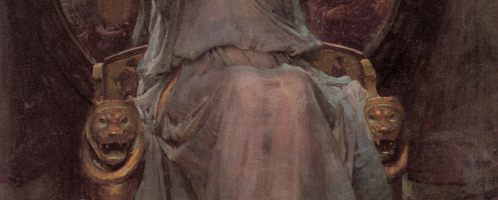
John William Waterhouse, Circe Offering Cup Ulysses

Horses in ancient Rome

When a favourite horse of Emperor Caligula, gracefully named Incitatus (Swift), was appointed senator, many pointed out his Spanish origins and the fact that his original name was Porcellus (Piglet). The benevolent lawmakers were blinded by the sight of Piglet’s golden manger, a harness studded with precious stones, and 18 servants serving the brave senator.

Roman fresco showing running horses

Jewelry in ancient Rome

In ancient Rome, fashion developed more than in Greece. The main reason for this was the difference in the perception of the role of women. Roman women had other privileges, rights, and above all, they had many more freedoms and could participate in public life. Leading a rich social life, the perception of the external image of those interested changed, therefore fashion began to play an increasingly important role in their lives, and jewelry became a fantastic complement to the image of a fashionable Roman woman1.

Roman gold jewelry found in Serbia