If you have found a spelling error, please, notify us by selecting that text and pressing Ctrl+Enter.
Curiosities of ancient Rome
The world of the ancient Romans was rich in extraordinary, and sometimes even surprising, facts. We draw our knowledge of Roman daily life, customs, and mentality primarily from works left by ancient writers and historians. It is thanks to them that we discover information that is astonishing today – sometimes even hard to believe. Below are some interesting facts that reveal a lesser-known and less obvious side of the Roman world.
I encourage you to submit your own suggestions and to report any corrections or inaccuracies.
Legionary helmet destroyed in fire
Helmet of a legionary destroyed by fire, most likely during the capture and total destruction of the city during the revolt of Boudica (60-61 CE).


What did gladiators eat?
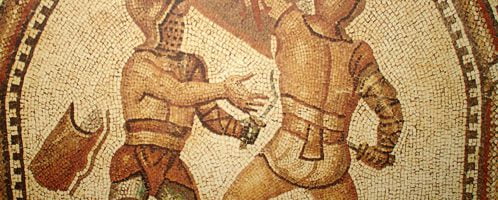
Subsequent fights and constant effort required the gladiator’s body to receive the right amount of food with the right nutritional values. We know about what ancient gladiators ate thanks to discoveries from Turkey and ancient records.