If you have found a spelling error, please, notify us by selecting that text and pressing Ctrl+Enter.

Articles

Roman state existed for nearly thirteen centuries, repeatedly exerting a profound influence on the course of history. I present the history of ancient Rome in the individual articles below, which not always refer solely to the Eternal City itself but encompass the wider world of the Roman Empire.

I encourage you to submit your own articles and to report any corrections or factual inaccuracies.

Imperial legislation for protection of slaves

Slaves in ancient Rome were an extremely important social group from an economic point of view. The number of slaves peaked in the 1st century BCE, which also coincided with the famous uprising of Spartacus (73-71 BCE). The economic transformations of the fall of the republic, as well as the increased popularity of the custom of liberating slaves among their owners, led to a significant decrease in their number at the turn of the century, which threatened to upset the Roman economy based on slave labour.

Slave market, Gustave Boulanger

Great Migration Period

During the 4th century CE, the Roman Empire underwent numerous transformations. The end of offensive wars resulted in a shortage of slave supplies in the Empire. The number of vernae (slaves not bought but brought up on the farm) grew.

Hun invasion

Top 10 sex scandals in ancient Rome

Ancient Rome appears to us to this day as a debauched world, full of nakedness and deviation. It is no coincidence that the emperors who had unlimited power and their family had a great influence on the formation of such an opinion. Here are the 10 sex scandals that rocked Rome.

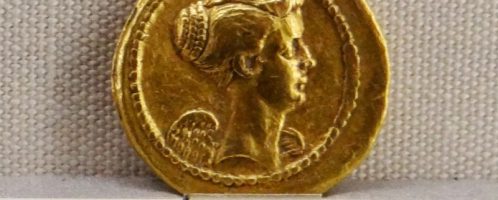
Valeria Messalina

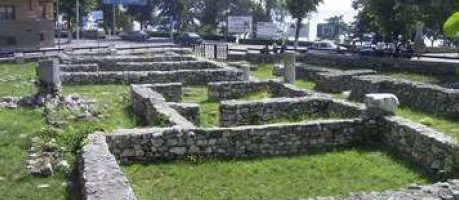
Ancient city Tomis

The town of Constanta, situated on the Black Sea coast, having 300 thousand population, is the main port and tourist resort of Romania. The city has an interesting history, dating back to Greek settlement. In antiquity, it was called Tomis.

Foundations of Roman houses in Constanta

Roman days of week

The seven-day cycle and the original names of the days of the week are from Mesopotamia. Babylonian astrologers believed that human life was influenced by seven celestial bodies, which they saw as moving around a stationary Earth: Mercury, Venus, Mars, Jupiter, Saturn, the sun and the moon (Uranus, Neptune and Pluto were not known in ancient times).

Roman calendar

Sergius Orata – famous fish breeder

Sergius Orata was an entrepreneur whom Pliny the Elder mentions several times in his work Natural History. On the basis of these mentions, some researchers concluded that Orata was the inventor of the so-called hanging baths, which were equated with the system of heating the floor and swimming pools in baths – hypocaustum. Nothing could be more wrong. Hypocaustum is a Greek invention, only slightly improved by the Romans, while Sergius Orata was a fish farmer and it was in this field that he was an innovator.

Fish on the Roman mosaic

Spelling error report

The following text will be sent to our editors: