
Ludus duodecim scriptorum – Roman game
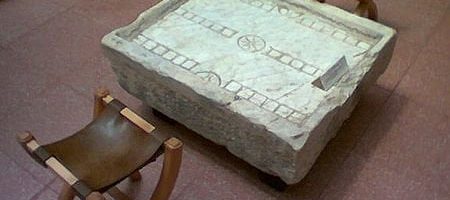
The Roman game ludus duodecim scriptorum (also called XII scripta) was a board game with 3 rows, each with 12 markings. To this day, no one knows how the game was played.
If you have found a spelling error, please, notify us by selecting that text and pressing Ctrl+Enter.
The world of the ancient Romans was rich in extraordinary, and sometimes even surprising, facts. We draw our knowledge of Roman daily life, customs, and mentality primarily from works left by ancient writers and historians. It is thanks to them that we discover information that is astonishing today – sometimes even hard to believe. Below are some interesting facts that reveal a lesser-known and less obvious side of the Roman world.
I encourage you to submit your own suggestions and to report any corrections or inaccuracies.
The Roman game ludus duodecim scriptorum (also called XII scripta) was a board game with 3 rows, each with 12 markings. To this day, no one knows how the game was played.
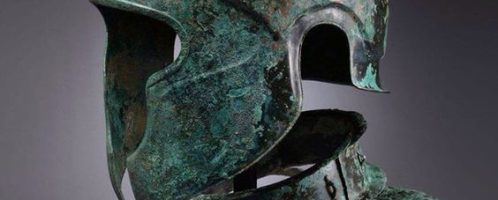
Samnite helmet and armour to protect the neck. The objects are dated back to 450 BCE and are made of bronze. The Samnites were staunch enemies of the Romans with whom they fought many wars.
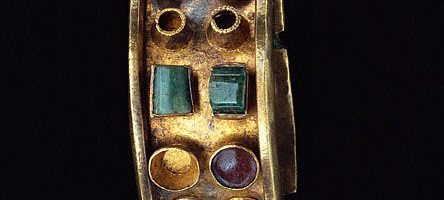
A richly decorated beautiful Roman bracelet from the 3rd-4th century CE. Made of gold, glass and emerald.
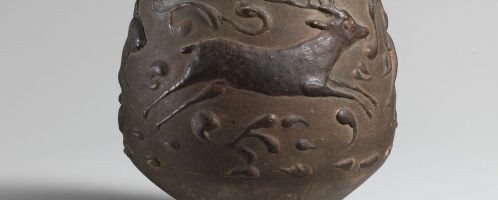
Roman terracotta cup showing a deer galloping. The object dates from the beginning of the 3rd century CE; is currently at The Metropolitan Museum of Art in New York.
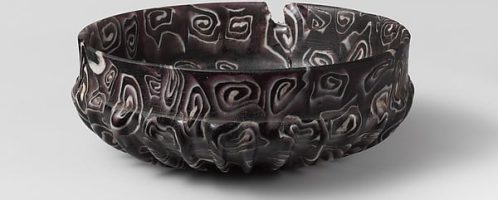
A wonderful ribbed glass bowl from Roman times. Dated to late 1st BCE – early 1st century CE. The object has a diameter of 13 cm.
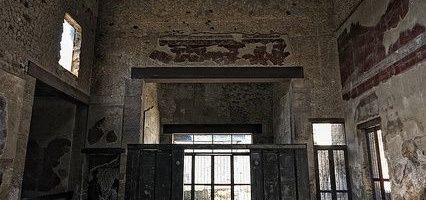
Atrium with preserved compluvium (“hole” in the ceiling) and impluvium (stone rainwater tank in which water was collected and collected in a cistern). The place is located in domus called the so-called Casa del Tramezzo di Legno Insula III in Herculaneum.
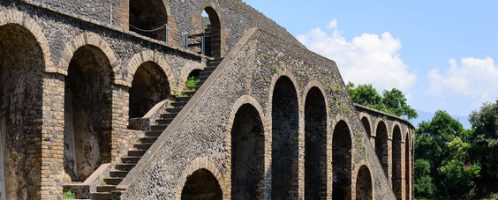
External steps of the Roman amphitheatre in Pompeii. The building could accommodate up to 12,000 spectators (some give the number of 20,000), so it was necessary to provide an appropriate way to leave the building. In the arena, mainly gladiators and wild animals fights took place. The amphitheatre was “buried” as a result of the eruption of Mount Vesuvius in 79 CE.
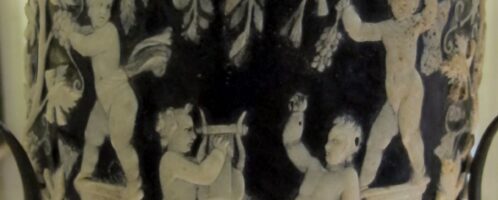
Roman dark blue vase with white reliefs is an exceptional example of luxurious Roman artistic glasswork. The vessel is made of dark blue glass, decorated with delicate white reliefs depicting figurative scenes and decorative motifs. Such items were among the most prestigious objects in the Roman world and were intended for wealthy members of the elite.
A wonderful Roman necklace made of gold and carnelian. Object dated to the 2nd century CE.
