“Stepmother” – Roman camp
In the slang of Roman soldiers, a military camp that was located on uneven and unfavourable terrain was called “stepmother” (noverca).
If you have found a spelling error, please, notify us by selecting that text and pressing Ctrl+Enter.
Unknown Facts are curiosities revealing little-known, surprising, or rarely discussed information from the world of ancient Rome and antiquity. This category includes unusual details, curiosities, and facts that offer a less obvious perspective on the Roman Empire.
In the slang of Roman soldiers, a military camp that was located on uneven and unfavourable terrain was called “stepmother” (noverca).

In 62 BCE Cicero was to buy a house from Licinius Crassus, located in a prestigious place – on the Palatine – until for 3.5 million sesterces1. For this, the famous orator was forced to take out a large loan; which was normal in the ancient world. But what is interesting, how did such a large transaction come about?

Sexual services were normally paid between 2 and 10 asses. Occasionally, special coins (spintria) were issued which, according to scientists, were in the form of our present-day tokens. They gave entry and the possibility of using the services. More coins of this type.

The Romans really loved their dogs or cats. Some dogs had special medals with engraved instructions on how to deal with a lost animal.

The gladiator’s diet was mostly vegetarian by today’s standards. The basis of the diet was broad beans and grains, from which even the colloquial term for gladiators comes from – hordearii, meaning “barley”. This diet was rich in carbohydrates.

During the reign of Emperor Tiberius, in 27 CE, the greatest construction disaster in ancient Rome took place. In Fidenae (a town not far north of Rome) a wooden amphitheatre has collapsed. According to Suetonius, over 20,000 people died under the rubble; Tacitus gives the figure of 50,000 dead and maimed.
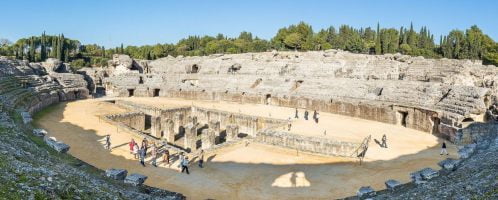
Emperor Nero became famous primarily for the first persecution of Christians during his reign. Including he used the burning flesh of Christians as candles at his feasts.
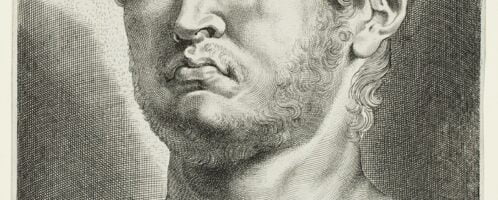
Aeneas became an extremely popular figure during the days of the first Roman emperors (that is, in the 1st century BCE – 1st century CE) which probably resulted from the fact that the Julius family, of which Caesar was a member, was also supposed to come from Aphrodite.
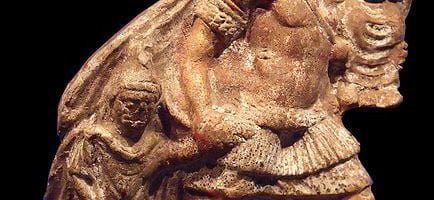
Donkey’s milk and ground snail shells were the best-selling lotions in Ancient Rome. The effective action of donkey’s milk is already mentioned by Hippocrates (460-370 BCE). Pliny the Elder, in turn, mentioned the healing properties of milk.